
Key takeaways
- Sensory breaks work best when they are predictable and brief.
- Movement, deep pressure, and tactile activities can support regulation.
- A simple routine helps children return to tasks with less resistance.
Why sensory breaks matter
Some children use a great deal of energy just to stay regulated during lessons, transitions, and social interactions. By the time frustration appears, their body may already be overloaded.
A sensory break gives the nervous system a short, purposeful reset. Instead of waiting for dysregulation to build, families and teachers can plan calming or organizing input before focus starts to drop.
What a helpful sensory break looks like
The most effective breaks are matched to the child rather than copied from a generic list. One child may benefit from wall pushes and heavy work, while another may need rhythmic movement or a quiet tactile bin.
A good starting point is to keep the break short, specific, and easy to repeat across home and school. That consistency helps children understand what comes next and lowers transition stress.
- Heavy-work tasks such as carrying books or pushing against a wall
- Movement options like animal walks, mini obstacle paths, or jumping
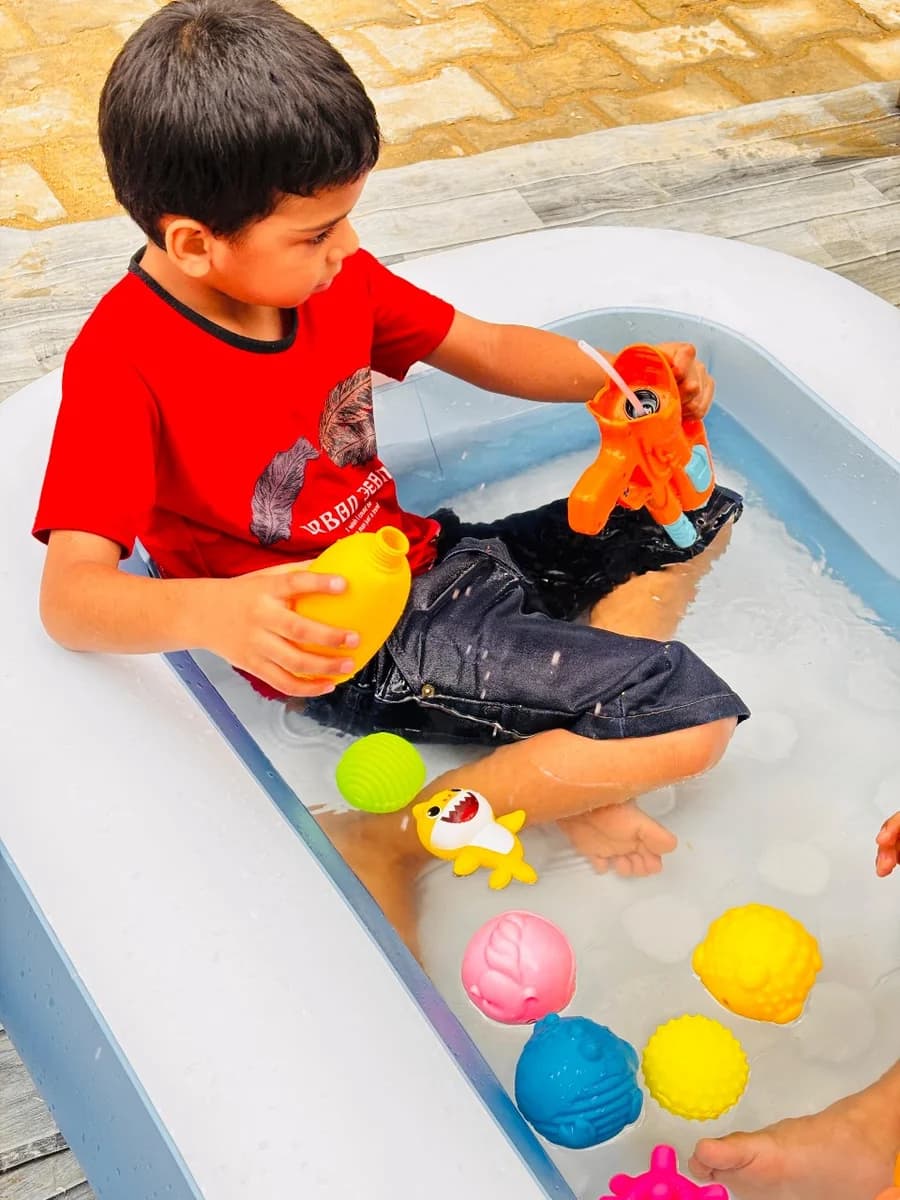
- Calming tools such as breathing cards, squeeze balls, or textured items
Making it part of the routine
Sensory breaks become more effective when adults schedule them before difficult moments such as homework, handwriting, or long seated activities. This turns regulation into prevention rather than crisis management.
At The Gateway Institute, we often help families build small routines that feel realistic. The goal is not to add complexity, but to give the child a repeatable path back to readiness.
We can help translate these ideas into a plan for your child
Our team can recommend the right assessment, therapy, or school readiness path based on your child's strengths and needs.